How to Build a Food Storage System on a Budget
Introduction
Building a food storage system sounds simple enough. Buy food, store it, feel prepared. But if you’ve ever stood in front of a pantry full of canned goods nobody will eat, bulk bags of grains that have never been opened, and survival food that cost a small fortune — you know exactly how this story ends.
You feel guilty. You feel like you threw your money away. And worst of all, you feel like maybe food storage just isn’t for you.
It is for you. You just started the wrong way.
When I restarted my food storage system in 2020 I made a decision that changed everything — I stopped buying what I thought I should have and started buying what my family actually eats. That one shift turned a frustrating money pit into a system that saves us money every single month. Today our household of two averages less than $200 a month on food — and that includes stocking a pantry that could feed us for close to a year if we needed it. The garden, the chickens, the preserving — it all adds up to real savings that show up in our budget every single month.
In this guide I’m going to walk you through the exact approach I used — starting with what’s already in your recipe box and building from there.
The Biggest Budget Mistake in Food Storage
Ask most people why their food storage failed and they’ll tell you they ran out of motivation or money. But dig a little deeper and you’ll almost always find the same root problem: they stocked food they don’t actually eat.
It seems obvious in hindsight. But when you’re standing in a preparedness aisle or scrolling through a survival food website, it’s easy to buy what looks right instead of what your family will actually use. And food that doesn’t get used doesn’t get rotated. It sits. It expires. It gets thrown away.
That’s not a food storage problem. That’s a planning problem. And the fix is simpler than you think.
How to Build a Food Storage System on a Budget Without Breaking the Bank
Tip 1 — Start With the Recipe
The single best thing you can do before spending a single dollar on food storage is open your recipe box.
Not a survival food list. Not a prepper website. Your recipes. The meals your family already loves and asks for regularly.
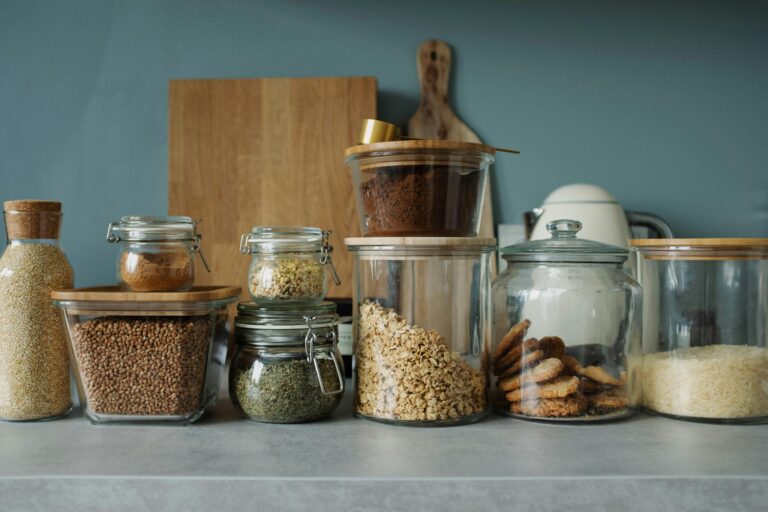
Here’s the approach: find 10 recipes your family eats on a regular basis that use pantry staples — canned goods, dried beans, rice, pasta, broth. Now look at the ingredient list for each one. Those ingredients are your shopping list. Stock what those recipes require and you’ll never have a pantry full of food nobody eats.
One of our family’s favorite pantry meals is what I call Chicken Pot Pie Gravy. It uses almost entirely pantry staples — canned chicken, canned vegetables, cream of chicken soup, and a few basic seasonings. It comes together in under 30 minutes, costs almost nothing to make, and everyone loves it. I’ve shared the full recipe here — [Chicken Pot Pie Gravy — A Simple Pantry Meal Your Family Will Love] — but the point is simple: stock what you cook and cook what you stock.
Tip 2 — Stock Canned Goods You Already Use
Once you have your recipes mapped out, the next step is simple: look at what canned goods those recipes require and start stocking them. Not in one big expensive trip. Gradually.
When I restarted my pantry in 2020 I had no choice but to go slowly — purchase limits at the stores made sure of that. But honestly it turned out to be the right approach anyway. I looked at what we actually cooked every week — soups, casseroles, pasta dishes, quick weeknight meals — and identified the canned goods that showed up over and over again. Diced tomatoes. Chicken broth. Cream of chicken soup. Canned corn. Green beans. Pasta sauce.
Then every single time I went to the grocery store I bought one or two extra of each item. Not a cart full. Just one or two extra. Occasionally I would pick up a pack of six or twelve cans of something we use regularly — but only one pack, and only one item at a time. That was my rule. Choose one thing to stock up on each week and do it consistently.
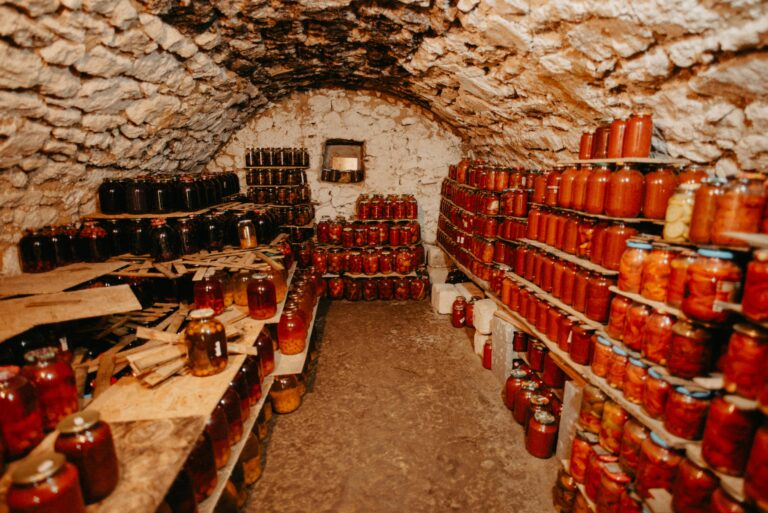
Over the course of a few weeks those small extras built up into a real supply without any single large investment. That’s the whole strategy — slow, steady, and intentional. One or two extra cans a week adds up to a stocked pantry before you know it.
Tip 3 — Buy on Sale and Stock Up Strategically
Once you understand what your pantry needs, the next step is never paying full price for it.
Most grocery stores run sales on canned goods on a rotating cycle — typically every 6-8 weeks. Cream of chicken soup goes on sale. Diced tomatoes get marked down. Chicken broth gets a price cut. If you pay attention to these cycles you can build your pantry almost entirely on sale prices.
Here’s the simple rule: when something you use regularly goes on sale — stock up. Not just one or two extras. Buy enough to last until the next sale cycle. If you use two cans of diced tomatoes a week and the sale cycle is every 8 weeks — buy 16 cans. You’ll never pay full price again.
A few more budget strategies that make a real difference:
Store brands are almost always just as good as name brands for pantry staples. Diced tomatoes are diced tomatoes. Chicken broth is chicken broth. Switching to store brands on staples you use constantly can cut your grocery bill significantly without sacrificing quality.
Warehouse stores like Costco or Sam’s Club are worth considering for items you use in large quantities — olive oil, chicken broth, canned tomatoes, dry beans, rice. The per unit price is almost always lower and the quantities work perfectly for a stocked pantry.
Two resources that most people don’t know about but have made a huge difference in how I stock my pantry:
The first is Azure Standard — a bulk food co-op that delivers natural and organic pantry staples at significantly lower prices than grocery stores. You order online, they deliver to a local drop point, and you pick up your order. The prices on bulk grains, beans, canned goods, and dry staples are hard to beat and the quality is excellent. If you’ve never heard of Azure Standard it’s worth looking up to see if there’s a drop point near you.
Azure Standard has a referral program — if you sign up using my link I earn points toward my own orders at no extra cost to you.
The second is lesser known but incredibly valuable — the Church of Jesus Christ of Latter Day Saints operates home storage centers in many areas of the country where anyone — regardless of religious affiliation — can purchase bulk food staples like wheat, rice, beans, oats, and powdered milk at extremely low prices. You don’t have to be a member to shop there. It’s one of the best kept secrets in the food storage world.
In fact I recently purchased 300 pounds of wheatberries from our local Latter Day Saints home storage center for less than $60 — about 75% off their regular price because they were updating their packaging. Three hundred pounds of wheatberries that will last me for years, for the cost of a few bags of groceries. That’s the kind of opportunity that’s waiting for you when you know where to look. You can also purchase wheatberries here, or through Azure Standard.
Buying in bulk doesn’t mean buying everything at once. It means being strategic about what you buy in large quantities and when you buy it. Combined with sale cycles and store brands, these two resources alone can dramatically reduce what you spend building a well stocked pantry.
Tip 4 — Grow a Garden to Replace Store Bought
The single most powerful thing I’ve done to reduce our food budget is grow a garden specifically designed to replace what we were buying at the store.
This didn’t happen overnight. When I restarted my pantry system in 2020 I was still buying everything from the grocery store. But as I rebuilt my pantry I started paying attention to what canned goods I was buying most — diced tomatoes, green beans, corn, pickles, salsa, pasta sauce. And I realized that almost everything on that list was something I could grow myself. And not only do I prefer to know where my food came from, but I know there are fewer chemicals in what I am able to grow myself.
So I built my garden around my pantry. Instead of growing whatever sounded interesting I grew specifically what I was spending money on at the store. That first garden season I put up enough tomatoes to last us the entire year. The following year I added green beans. Then corn. Then peppers.
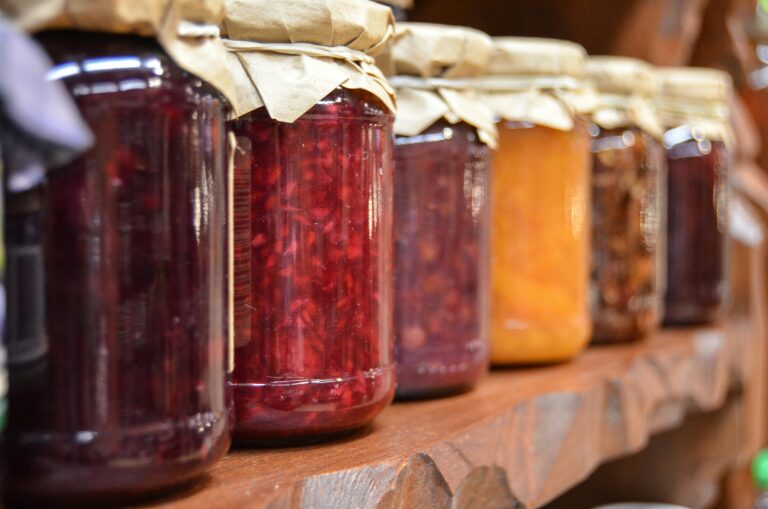
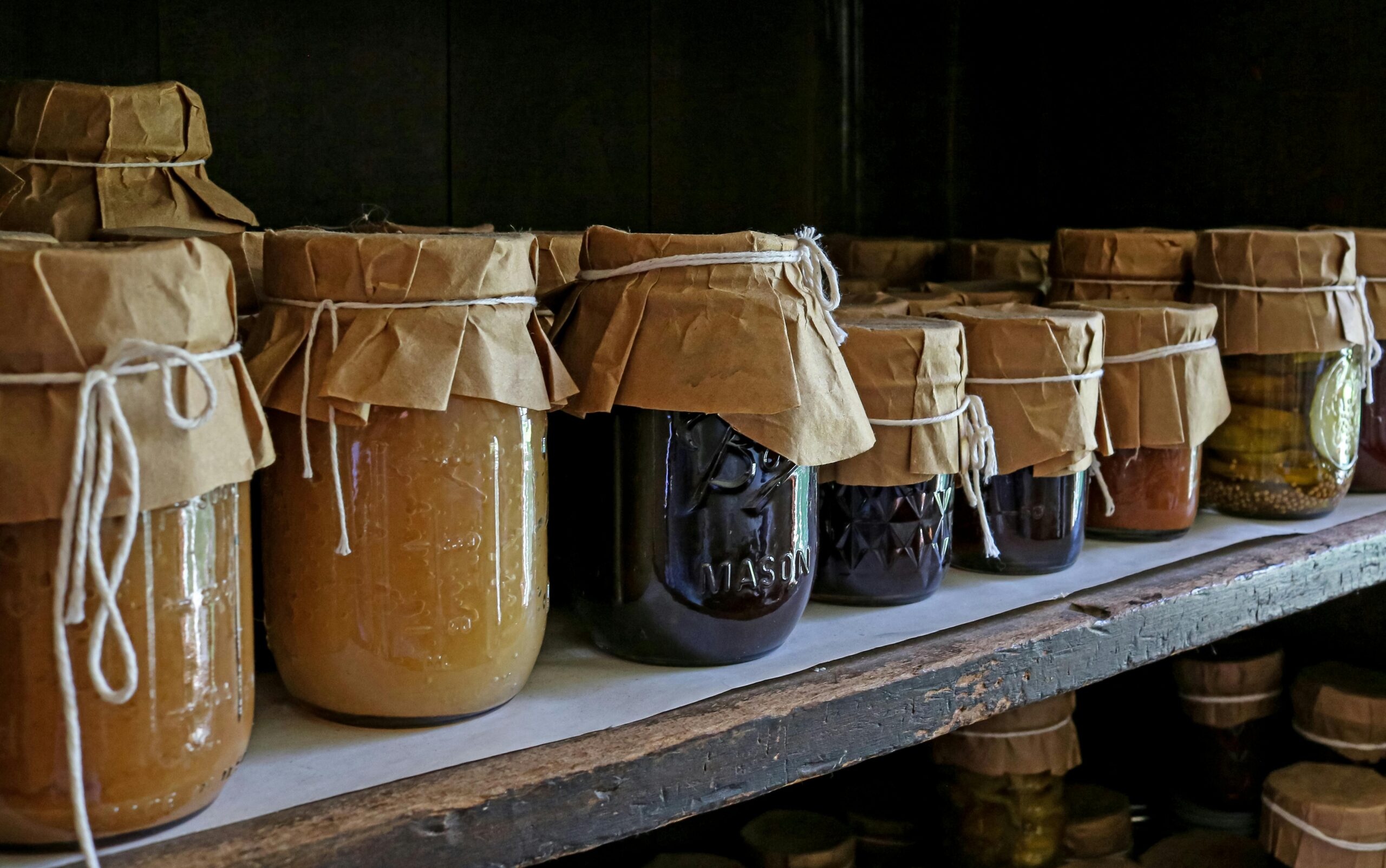
Every jar I put up in the fall is one less can I buy at the store. And homegrown canned goods taste infinitely better than anything you’ll find on a grocery store shelf.
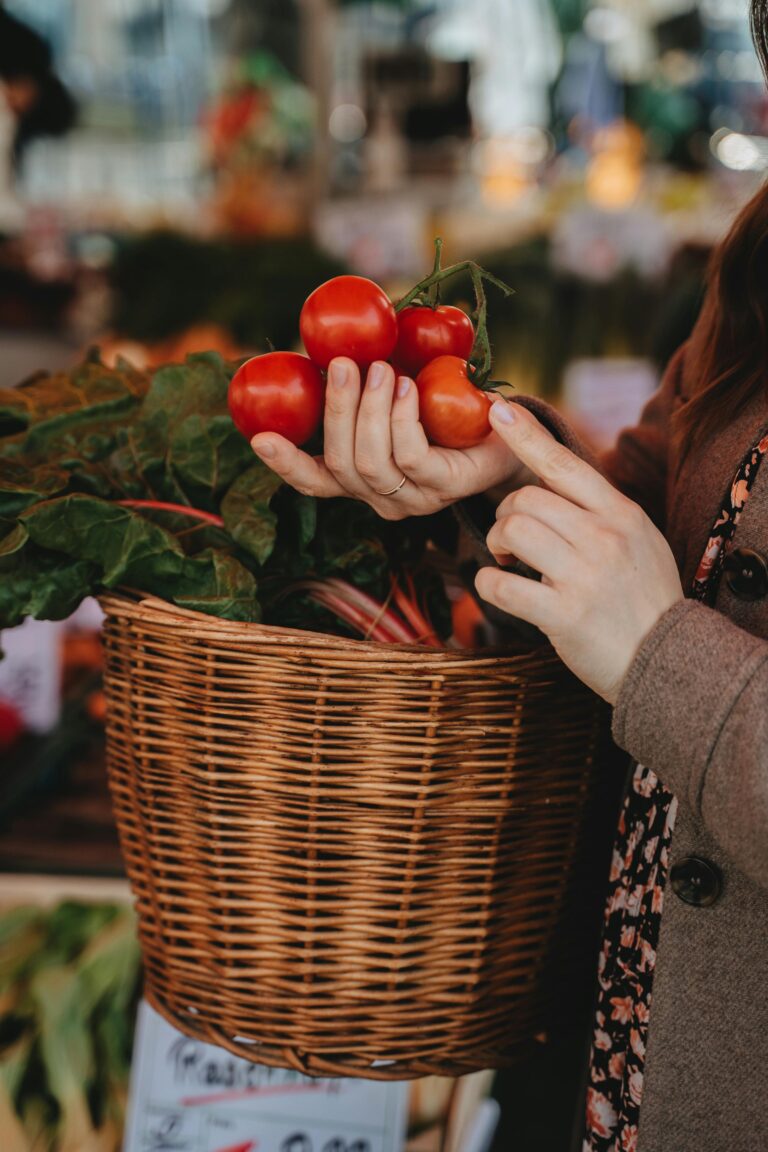
You don’t need a large garden to make a real dent in your grocery bill. Even a small raised bed of tomatoes can produce enough to can pasta sauce, diced tomatoes, and salsa for the entire year. And don’t limit yourself to traditional garden spaces — a family member of mine who lives in a neighborhood replaced their entire front mulched bed with tomato plants and had more tomatoes than they knew what to do with. Start with one or two crops that show up most often in your pantry and build from there.
Think about this: in 1945 Americans grew approximately 45% of their own food in backyard gardens. Today that number has fallen to just 0.1%. In less than 80 years we went from nearly half our food coming from our own backyards to almost none of it. We have outsourced something our grandparents considered completely normal — and we are paying for it at the grocery store every single week. Growing even a small portion of your own food is one of the most powerful things you can do to take back control of your food budget.
The garden doesn’t just save money — it completes the system. You grow it, you preserve it, you stock it, you eat it. That’s the whole cycle working exactly as it should.
You can start with a kit of seeds like this one – heirloom seeds for a great price. But don’t get overwhelmed. You don’t have to plant them all at once. The seeds will last a couple of years, if stored properly.
Conclusion
Building a food storage system on a budget isn’t about spending a lot of money all at once. It’s about making small, intentional decisions consistently over time.
Start with your recipes. Stock what you actually eat. Buy on sale and stock up strategically. Use resources like Azure Standard and your local Latter Day Saints home storage center. And grow a garden designed around your pantry.
Do those five things and a year from now you’ll have a pantry stocked with food your family loves, bought at prices that didn’t break the bank, and supplemented by food you grew yourself. Our household of two spends less than $200 a month on food — and we eat well, we eat clean, and we haven’t panicked about empty store shelves since 2020.
That’s what a real food storage system on a budget looks like. And now you know exactly how to build one.
Ready to take the next step? Check out these related guides:
- How to Stock a Pantry for the First Time (The Right Way)
- How to Stock a Pantry for 6 Months
- How to Go Months Without Going to the Grocery Store
Want to know more about who’s behind Deep Roots Homestead? We’re a family farm in central Indiana that has been in the family since 1854 — where we grow, raise, preserve, and cook as much of our own food as possible. You can read my full story here.