How to Go Months Without Going to the Grocery Store
Most people can’t imagine going more than a week without a grocery run. If you want to know how to go months without going to the grocery store — I’m living proof it’s possible. I go about every six weeks, but only by choice, not out of necessity — and only because I want fresh produce. In summer I skip the grocery store entirely and hit the farmers market instead.
We recently had a snow storm, and while everyone was running to the grocery to stock up on water, toilet paper, milk and bread, I never left my house, and I never worried – because I don’t HAVE to go to the grocery.
This isn’t magic and it isn’t extreme. It’s the result of building a system over several years that means our household genuinely doesn’t need the grocery store to function. Here’s exactly how we do it — and how you can too.
How to Go Months Without Going to the Grocery Store — It Starts Here
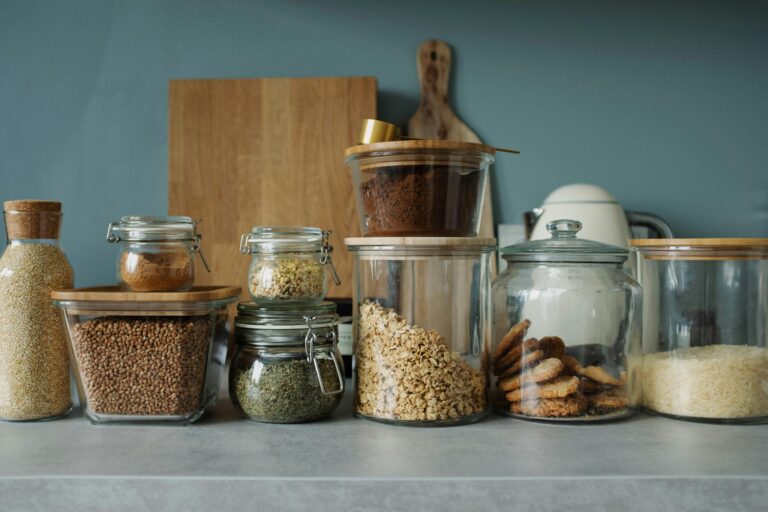
None of this works without a stocked pantry as your foundation. If you’ve read my previous articles on building a food storage system you already know the basics — stock what you eat, rotate regularly, build gradually.
But going months without a grocery run requires more than a two week supply. It requires a pantry deep enough that you can pull a complete meal from it on any given night without planning ahead. That depth doesn’t happen overnight — it took me several years to build. But once you have it the freedom it creates is remarkable.
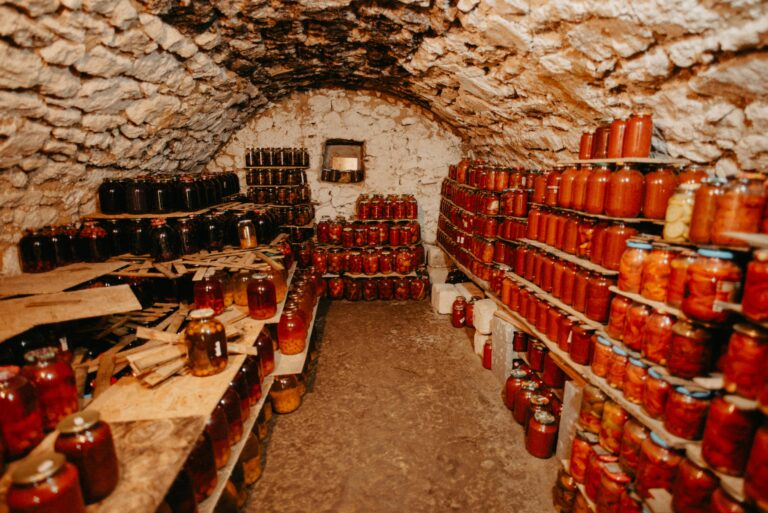
The pantry is your grocery store. Stock it like one.
I even have what I call “shopping baskets” in my pantry — large baskets I use to gather everything I need for a meal before I head into the kitchen. I walk into my pantry, fill my basket with the ingredients for dinner, and walk out. It’s the same experience as shopping — just without leaving home, without a checkout line, and without a receipt.
Meals You Can Pull Entirely From Your Pantry
The second thing you need — beyond a stocked pantry — is a mental library of meals you can make entirely from what you have on hand.
This is the piece most people miss. They stock food but they don’t stock meals. There’s a difference. A pantry full of ingredients you don’t know how to combine into dinner doesn’t keep you out of the grocery store — it just gives you a well organized reason to order pizza.
Speaking of pizza — we replaced carry out pizza with a homemade version that is honestly better than anything we used to order. That’s a recipe I’ll be sharing soon. [Coming soon: Homemade Pizza From Scratch]
In our house I can pull together a complete meal from the pantry on any given night without thinking too hard about it. Chicken Pot Pie Gravy over homemade biscuits (find that recipe here). Pasta with homemade sauce I canned myself. Homemade Rice-a-Roni with chicken. Hamburger Helper from scratch. Chili I made and canned served with cornbread. Fried rice. Grilled cheese on homemade sourdough with tomato soup — I haven’t perfected a homemade tomato soup recipe yet, so for now I keep Azure Standard’s organic tomato soup on hand and it’s genuinely delicious (referral link — I earn points at no cost to you).
Here’s the exercise that makes this possible: write down 15-20 meals your family loves that can be made entirely or mostly from pantry staples. Learn those meals cold. Make them regularly so they become second nature. When you know those meals by heart you stop needing the grocery store for dinner — because dinner is always already home. I have a recipe binder where I keep recipes for our favorite meals, and I love just being able to pull it out when needed for ideas.
That list of meals is what keeps you out of the grocery store. Not the pantry itself — the meals you know how to make from it.
Beyond Food — Toiletries and Household Supplies
Food is the obvious part of staying out of the grocery store. But the thing that sends most people running to the store unexpectedly isn’t food — it’s running out of toilet paper, toothpaste, or shampoo.
Toiletries and household supplies are the unsung heroes of a truly self sufficient home. Stock them like you stock your pantry and you eliminate one of the most common reasons for an unplanned store run.
In our house I keep a full year’s supply of everything we use regularly — toilet paper, toothpaste, shampoo, conditioner, soap, deodorant, razors, feminine products, first aid basics, and over the counter medications. When something runs low it goes on my whiteboard and gets restocked on my next scheduled Costco run — not in a panic trip to the store.
A few things that have helped us reduce our toiletry consumption and costs significantly:
I’ve spent a few years training my hair to need washing only once or twice a week. It takes time and patience but the savings on shampoo and conditioner are real — and my hair is healthier for it.
I prefer not to wear makeup unless necessary. My daily routine is a tinted sunscreen and mascara when I’m going out. I also use lanolin — yes, the same nipple cream nursing mothers use — as my chapstick. It’s pure, it’s simple, it lasts forever, and it works better than any lip product I’ve ever bought. That’s it. Simple, minimal, and my toiletry needs stay small.
These aren’t sacrifices — they’re choices that simplify life and reduce dependence on the store. Find your own version of that and your toiletry supply lasts significantly longer.
How We Actually Shop — Our Real Schedule
Here’s what our actual shopping schedule looks like — not the idealized version, the real one.
Every six weeks or so I make a grocery run — almost exclusively for fresh produce. That’s it. One trip, one purpose, in and out.
In summer I skip the grocery store entirely and go to the farmers market instead. Local produce, local farmers, no fluorescent lights. It’s one of my favorite parts of the season.
Every other month I place an Azure Standard order for bulk pantry staples — grains, beans, canned goods, specialty items I can’t source locally. The order arrives at our local drop point and I pick it up. It takes about 10 minutes and replaces what would have been multiple grocery store trips.
Once a week I pick up fresh milk from a local farm. Occasionally I add bacon, cheese, or cream to make butter. That weekly farm stop is the closest thing I have to a regular shopping trip — and it barely counts because I’m supporting a neighbor and getting a product that doesn’t exist at any grocery store.
Every three to six months I make a Costco run to restock bulk items we’re running low on — paper products, coffee beans, large quantities of things we use constantly.
That’s the whole schedule. No weekly grocery runs. No panic trips. No impulse purchases. Just intentional restocking on a timeline that works for us.
Fresh Produce — The Last Frontier
Fresh produce is the hardest part of staying out of the grocery store. Everything else — meat, dairy, pantry staples, toiletries — can be stocked, preserved, or sourced locally on a schedule. Fresh produce is different. It’s perishable, seasonal, and harder to replace.
Here’s how we handle it:
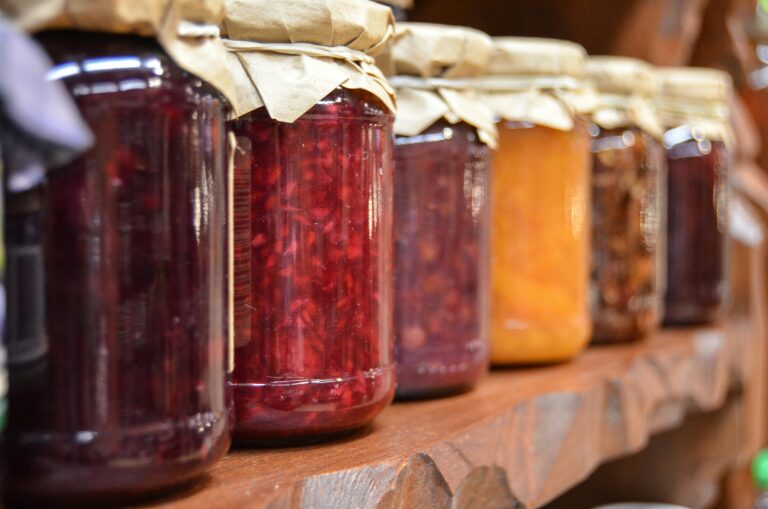
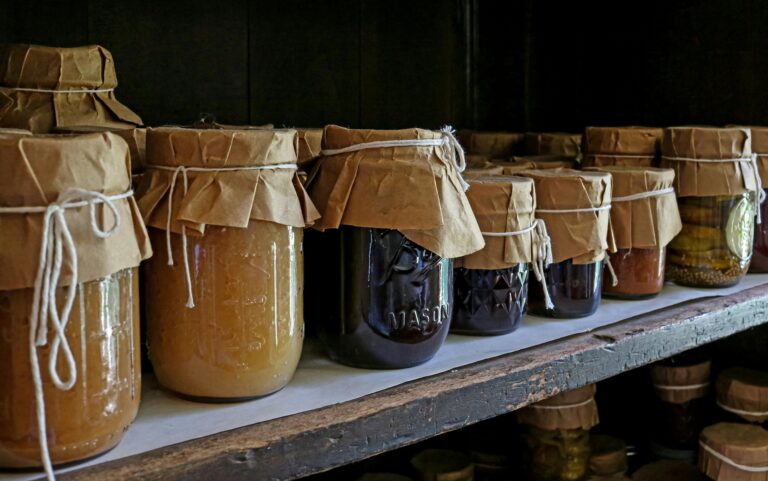
In winter we rely heavily on what we canned and preserved from our summer garden. Canned tomatoes, green beans, corn, salsa, pasta sauce — all of it came from our garden and went into jars in the fall. Those jars carry us through the cold months without a single trip to the produce aisle.
We also keep canned fruits and vegetables on hand for the gaps — things we didn’t grow or didn’t put up enough of. There’s no shame in canned produce. It’s nutritious, it’s affordable, and it keeps for years.
In summer the garden solves almost everything. We’re picking tomatoes, zucchini, cucumbers, green beans, peppers, and herbs fresh every day. The grocery store produce section becomes completely irrelevant from June through September.
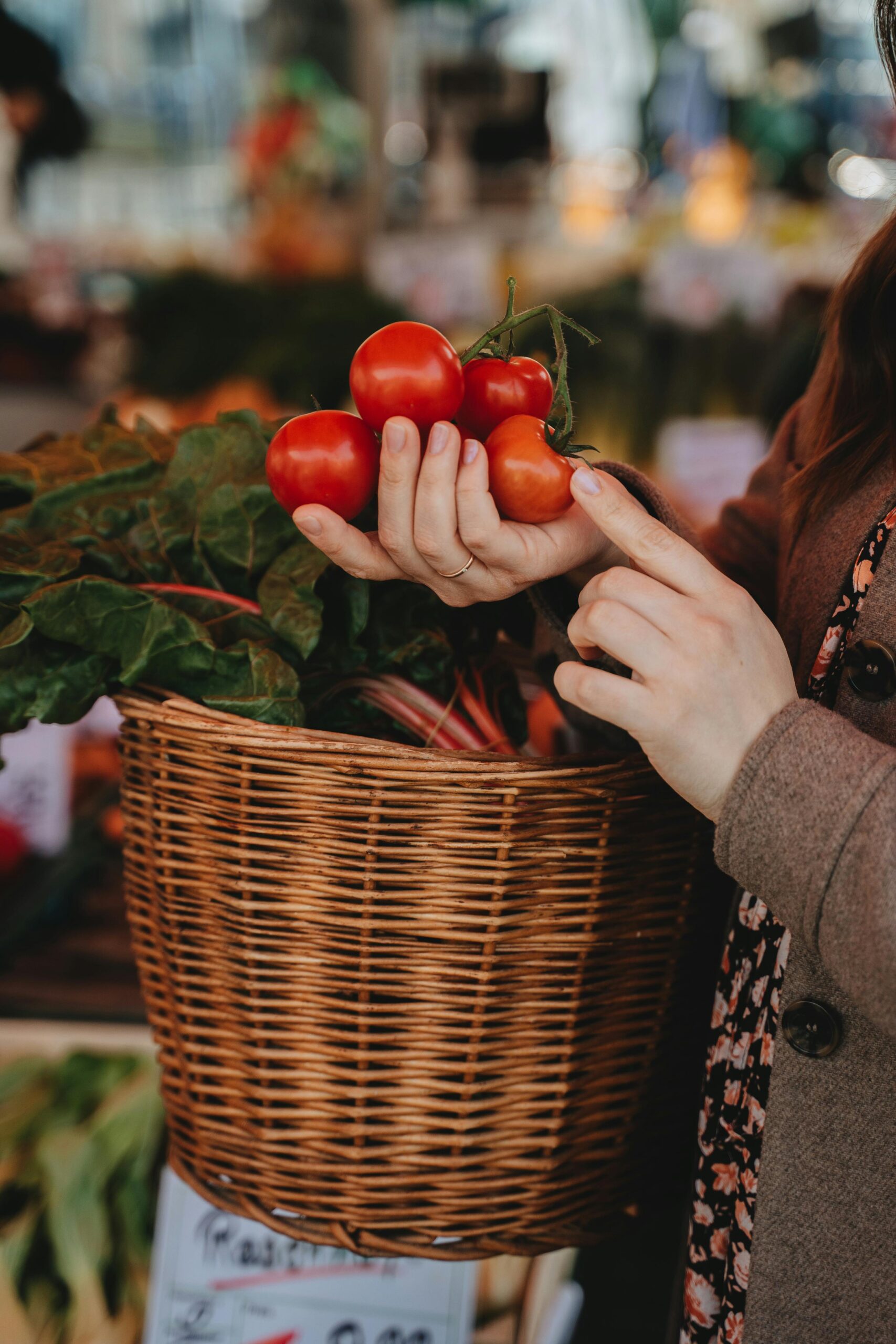
When I do want fresh produce outside of what the garden provides I go to the farmers market instead of the grocery store. Better quality, locally grown, and I’m supporting farmers in my community rather than a supply chain that stretches across the country.
Fresh produce is the last piece of the puzzle — and a garden, even a small one, solves most of it.
Conclusion
Going months without going to the grocery store isn’t about being extreme. It isn’t about fear or hoarding or preparing for the apocalypse. It’s about building a life where you’re in control of your food supply instead of dependent on a system that can fail at any moment.
When that snowstorm hit and everyone was scrambling for bread and milk — I made a cup of hot tea and watched the snow fall while I worked on a crochet project in front of the woodstove. That’s what this system buys you. Not just food security. Peace of mind.
Here’s what it takes: A stocked pantry deep enough to function as your grocery store. A mental library of meals you can make from it without thinking. A year’s supply of toiletries and household basics. A real shopping schedule built around intentional restocking. A garden — even a small one — for fresh produce. Local sources you trust for the things you can’t grow yourself.
None of it happens overnight. It took me several years to build this system. But every step you take toward it is a step toward genuine food independence — and that feeling is worth every jar you put up, every bulk order you place, and every meal you pull from your pantry on a Tuesday night without a single trip to the store.
Ready to start building? Check out these related guides:
- [How to Stock a Pantry for the First Time (The Right Way)]
- [How to Build a Food Storage System on a Budget]
- [How to Stock a Pantry for 6 Months]
If you found this helpful and want to know more about who’s behind Deep Roots Homestead — a 170 year old family farm in central Indiana where we grow, raise, preserve, and cook as much of our own food as possible — you can read my full story here.